


Quality is a multi-faceted concept with different meanings. For some, it’s a product without flaws, and for some, it’s a product that fits the purpose.
In apparel, quality is a degree of excellence that is achieved if a product fulfills the set criteria of material, fit, durability, and appearance.
In the competitive and rather consumer-driven market, quality is not only a checkpoint but a strategic advantage. The market trends are shaped by AI, data, and automation, which are forcing brands to shift away from reactive problem-solving towards proactive quality management.
Today, fast fashion dominates the retail world where consumers get cheap, trendy knock-off garments. Even many leading companies are part of this growing trend that is going to reach $318 billion by 2032. However, it does come with criticism like disposable consumer culture, negative environmental impact, and unfair labor practices.
The most alarming aspect is mass producing at a low-cost that leaves a big question mark on ‘quality.’ Moreover, brands face increased scrutiny from global buyers, regulators, and stakeholders.
According to McKinsey & Company, quality-related issues are among the top three challenges that the apparel industry faces in 2025.
For a brand a single quality failure, whether a poorly stitched seam or a misaligned pattern means costly recalls, social media backlash, and lost contracts.
Let us uncover the fine details and how QUONDA, a quality inspection software is essential to manage apparel production effectively.
Why Quality Matters More Than Ever in Apparel
Apparel is one of the few industries where trends are constantly evolving. Brands not only have to keep pace but also plan ahead. Conversely, they must also be mindful of the competition. Maintaining quality is always tricky since for businesses the math must make sense in order to justify investing so much in quality control processes. For many, this equation always seems to work out in favor of foregoing quality for quick, cheap gains.
This happens due to several reasons, some of these include:
Consumer Expectations
Today’s customers want speed and affordability, but a significant emphasis is on quality. A consumer sustainability report of 2023 stated that 79% of consumers considered durability a key factor when making apparel purchases.
Brand Equity
With a tremendous rise in online apparel shopping, many consumers first determine a brand by checking their reviews. Positive feedback makes a brand stand out, while negative comments can deter potential consumers, including existing ones.
Global Supply Chains
Apparel production requires sourcing from multiple vendors. However, most of these vendors are spread across different geographies, which adds to the complexity. Furthermore, lack of visibility and inconsistent standards make it harder to control quality end-to-end.
Financial Impact
For most brands, quality failures erode margins more than production costs. Returns, reworks, and chargebacks due to poor quality cost billions annually. Globally, 53% of apparel returns were due to size and fit issues.
Common Flaws and Pain Points in Apparel Manufacturing
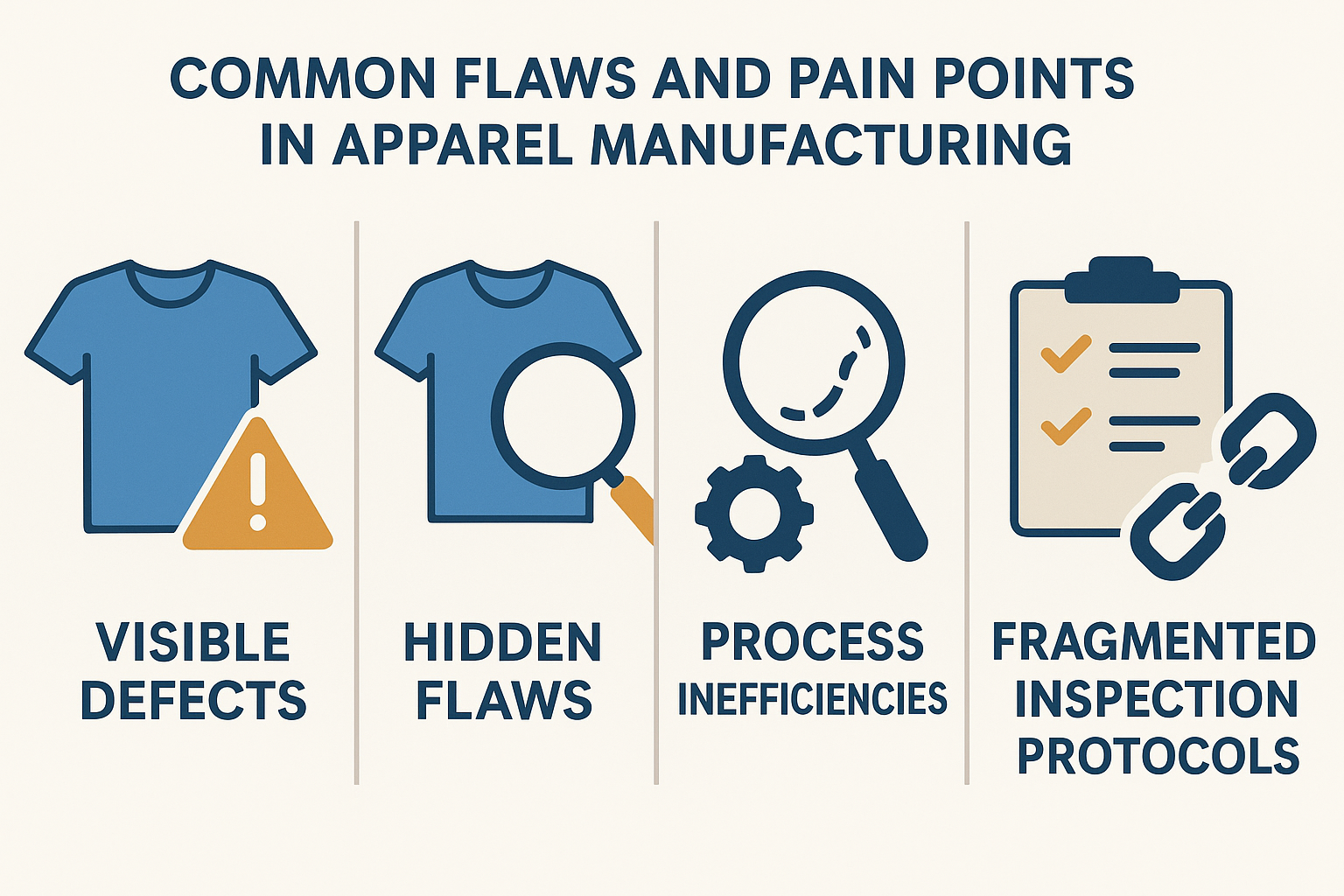
Apparel production is a rather lengthy and complicated process. It involves multiple stages from design, color and fabric selection, manufacturing, and distribution. Despite technological advancements, the industry still faces numerous issues that hinder quality, efficiency, and sustainability.
A brand must these issues and mostly those that recur to improve and streamline the processes.
Here are some common flaws in apparel manufacturing:
Visible Defects
Brands frequently have to manage issues like fabric snags, color mismatches, misaligned prints, and faulty stitching. All these elements ensure quality and prove to be quite costly if not timely identified. For companies that do not evaluate, the cost of poor quality can be as high as 25% of the sales.
Hidden Flaws
Uneven measurements, seam strength failures, or shrinkage often go unnoticed during inspections and emerge later in the lifecycle. Globally, 53% of apparel returns were due to size and fit issues.
Process Inefficiencies
Many factories still use manual inspection methods, such as spreadsheets, which lead to inconsistency and human error. When inspection data is delayed or siloed, quality teams can't respond quickly enough to prevent recurring defects or correct issues during production.
Fragmented Inspection Protocols
Brands often work with multiple vendors and factories, making it challenging to implement standardized inspection protocols. This results in inconsistent quality checks, misaligned expectations, increased risk of defects, and undermines compliance.
How Tariffs and Global Trade Pressures Affect Quality Inspection
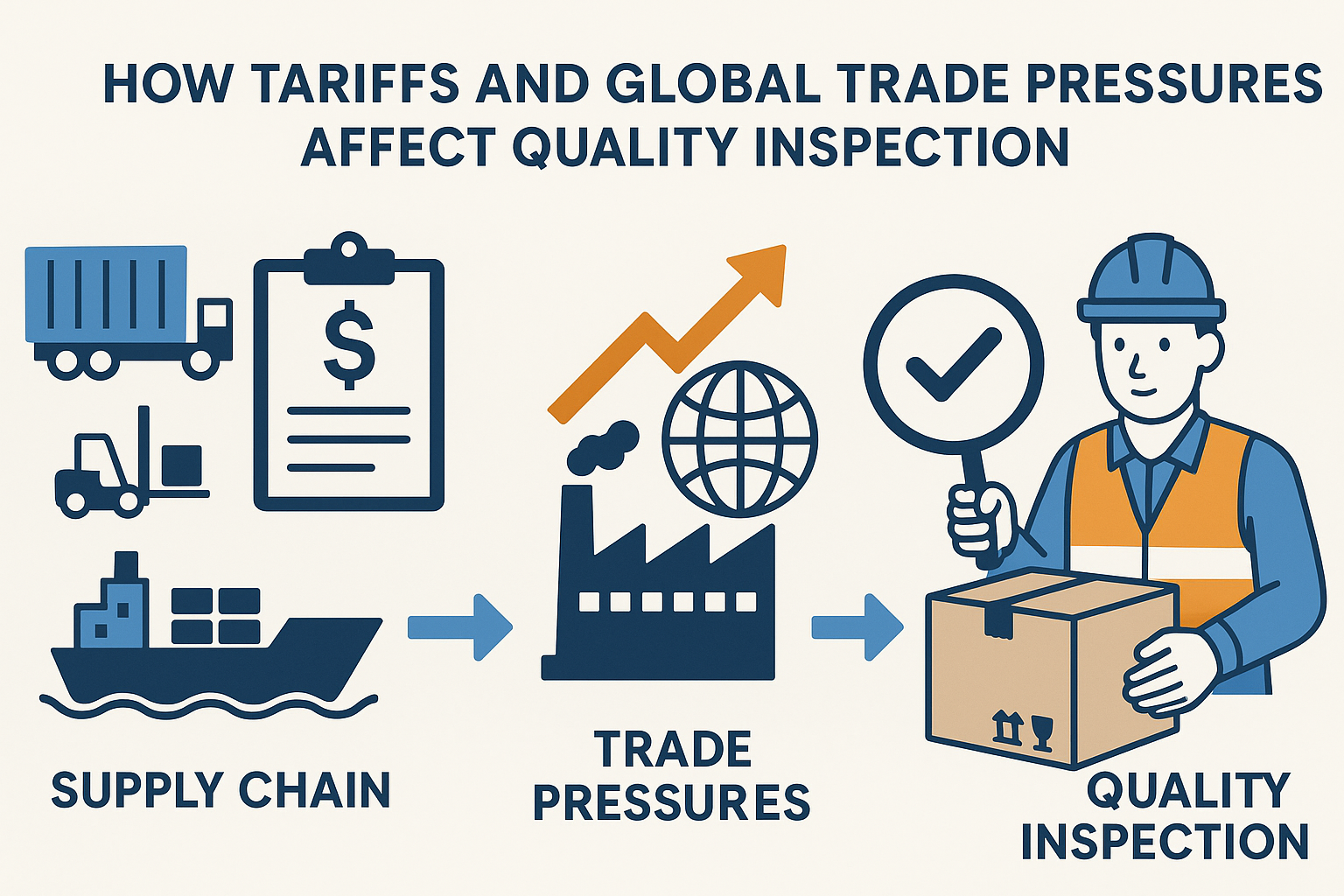
The announcement of new tariffs at the start of the year often sends shockwaves through the entire business industry. However, due to its expansive and diverse supply chain, the apparel industry seems to be affected the most.
The frequent policy shifts are forcing the brands to prioritize cost-cutting at the expense of quality control. The global trade policies continue to reshape sourcing strategies and strain the already complex apparel supply chain.
Tariffs, especially from the U.S.-China trade tensions and EU import duties, are compelling brands to shift production to new or less-tested suppliers. However, this increases risks, as new vendors may not follow the same quality controls or lack the necessary training to meet brand expectations.
The pressure to cut costs due to tariffs has an immediate result with
- Reduced QC headcount
- Lower inspection frequency
- Missed defects that lead to costlier fixes downstream
According to experts the tariff tensions are not going anytime soon. Brands need to be proactive and maintain or improve quality while reducing costs.
Why Digital Solutions Are No Longer Optional
Today we see rising consumer expectations, faster fashion cycles, and complex global supply chains. The use of legacy systems and manual quality control is no longer sustainable.
A recent study stated that lack of digital tools is a leading obstacle to achieving speed and flexibility in sourcing and production.
Here’s why digital quality control inspection software is now essential
- Excel sheets and printed forms fail to manage inspection data across multiple factories and countries.
- Lack of real-time visibility means the quality teams cannot act fast on defects that results in waste, delays, and increased operational cost.
- Paper-based systems make audits and traceability time-consuming and error-prone especially with the shifting trade regulations.
- Without centralized systems the QC teams, vendors, and production units work in silos that delays root cause analysis and resolution.
With persistent challenges the integration of a unified, tech-driven Quality control management software is all the more necessary.
Introducing QUONDA: Modernizing Quality Inspection
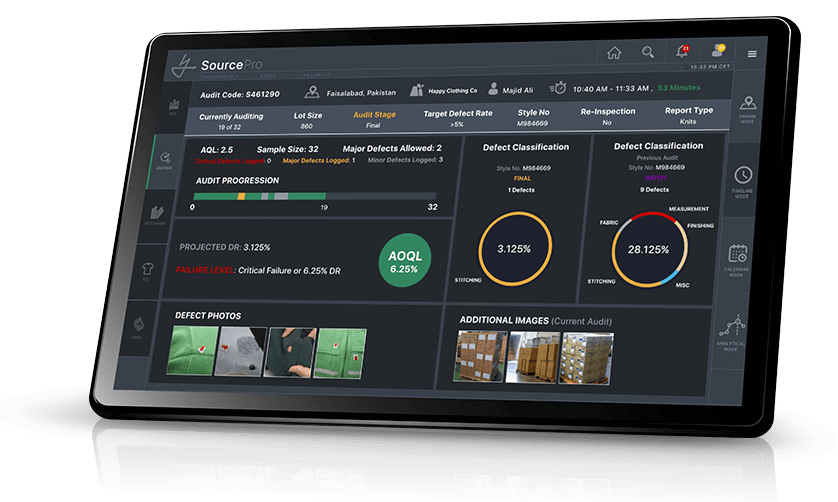
QUONDA, is one of the best quality management software developed by Triple Tree Solutions, is an advanced software for collecting quality inspection data. It brings and ensures transparency, consistency, and control across every stage of the apparel production process.
The mobile-first, cloud-based solution is designed to replace outdated tools—from spreadsheets to paper reports. The goal is to streamline inspection, centralize data, and improve decision-making.
Whether you're working with 5 vendors or 500, QUONDA helps you scale quality without scaling complexity. It equips apparel brands with robust tools that move beyond reactive quality checks. The intelligent features enable proactive defect prevention, real-time visibility, and data-driven actions across the supply chain.
Slash Quality Control Prices NOW. Click here to learn more about QUONDA
Let us run down each feature and what it does
1. Real-Time Inspection Data Collection
QUONDA allows inspectors to capture defects instantly using tablets or smartphones. This eliminates delays and inefficiencies of manual reporting. The real time data collection such as photos and videos adds clarity, and visual proof and- ensuring no defects go undocumented or overlooked.
2. Standardized Inspection Protocols
With QUONDA, you can ensure consistent quality checks by implementing standardized inspection protocols across all vendors and manufacturing units. The uniformity reduces discrepancies, aligns all stakeholders to the same quality benchmarks, and makes multi-vendor management more streamlined and transparent.
3. Powerful Dashboards and Inspection Insights
QUONDA’s intuitive dashboard provides a clear, real-time view of inspection data across all suppliers and product lines. Managers can easily identify recurring defects, track vendor performance, and monitor quality trends across regions, categories, or production stages.
By shifting from fragmented reports to valuable insights, brands can move beyond reactive control. The dashboard enables drive long-term quality improvements, reduce defect rates, and strengthen overall supply chain accountability.
4. Offline Functionality for On-Floor Inspections
One of the best features of QUONDA is collecting quality data even in remote or low-connectivity areas. Its offline functionality allows full access to inspection tools without internet ensuring uninterrupted inspections. Once connectivity is restored, all data syncs automatically that prevents loss and maintains data integrity.
5. Customizable Reporting and Compliance Support
QUONDA offers fully customizable reporting features to align with audit, tariff, and buyer-specific requirements. It supports industry and trade documentation standards through auto-generated reports and built-in digital traceability. Brands can meet compliance expectations with accurate, timely, and audit-ready records tailored to regulatory and partner needs.
⚠️ Learn More: What makes QUONDA the Best Apparel Quality Management System Software
How QUONDA as Quality Management Software Helps Brands Navigate Tariff-Driven Challenges
In the face of shifting tariffs and sourcing disruptions, the real cost is your margins. However, QUONDA has the answer
Here is how
Faster Onboarding of New Suppliers: Apply consistent quality standards immediately, no matter the geography.
Cost efficiency through Early Defect Detection: Avoid expensive reworks or shipment delays.
Audit-ready Documentation: With digital records, compliance is simplified—even under shifting trade laws.
Supplier Accountability: Transparent reporting reduces finger-pointing and boosts accountability.
Final Thoughts
The apparel industry can no longer afford to treat quality as an afterthought.
Every flaw represents a risk to profit, reputation, and growth. In today’s fast-moving, high-pressure global market, brands need more than inspections—they need insight.
QUONDA empowers quality teams to shift from reactive flaw-finding to proactive defect prevention, using data to drive smarter decisions.
Whether you're scaling across new sourcing regions or simply trying to meet modern customer expectations, QUONDA ensures your quality process moves with clarity, consistency, and control.
Ready to take the Next Step in Your Quality Journey?
Book a demo with QUONDA and transform how your brand approaches quality—from flaws to foresight.