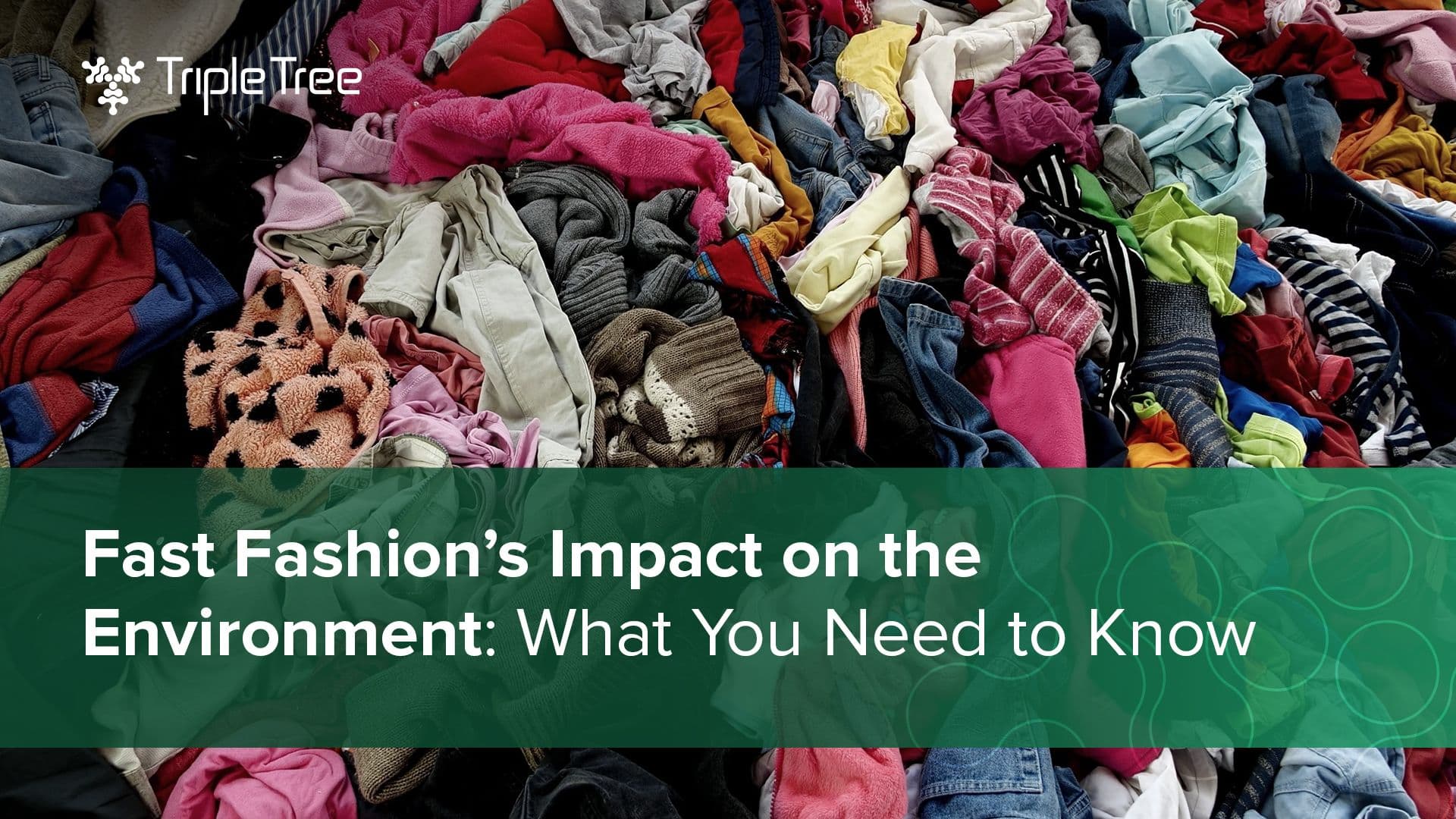
Fast Fashion’s Impact on the Environment: What You Need to Know

Fast fashion has reshaped the way we consume clothing, but at what cost? While it offers affordable, trendy apparel, the environmental price is staggering. This blog explores the key impacts, from pollution to waste, and what the future holds for this industry. 

Shape 

What Is Fast Fashion? 


Fast fashion refers to the mass production of cheap, trendy clothing designed to meet rapidly changing consumer demands. 

Here’s what defines it: 
 

  • Short production cycles: New designs hit shelves within weeks. 
  • Low prices: Costs are minimized through unsustainable practices. 
  • Disposable culture: Encourages frequent purchases and quick disposal. 


Shape 

The Environmental Impact of Fast Fashion 

Fast fashion’s detrimental effect on the environment is massive, affecting ecosystems, resources, and even human health. It should come as no surprise that governments around the world have began to crack down on these unsustainable practices since they're causing massive amounts of damage to not only the environment but consequently human health as well.
Key Areas of Impact 


Aspect 

Environmental Consequence 

Water usage 

Produces 20% of global wastewater and consumes vast freshwater resources. 

Carbon emissions 

Contributes to 10% of global carbon emissions, more than aviation and shipping combined. 

Textile waste 

92 million tons of textiles end up in landfills annually. 

Microplastics 

Synthetic fabrics shed 500,000 tons of microplastics into the ocean yearly. 

Shape


The Ellen Macarthur foundation, a partner of the UN Environmental Programme, estimates that every second a truckload of clothes is either burned, or transported to a landfill. The emissions created by incineration/transportation are just the tip of the iceberg of the overall environmental impact fast fashion is having. 


Why Should We Care? 

Would you want your baby to be born full of plastics? Fast fashion, along with many other unsustainable practices seems to be making this into a reality. Since microplastics have found their way into the deepest parts of the ocean, scientists estimate that they have now become an inseparable part of the food system. 

Consequences for the Planet 


  • Depletion of Resources: Cotton production alone uses 2,700 liters of water for one T-shirt. 
     
  • Habitat Destruction: Land clearing for textile crops harms biodiversity. 
     
  • Health Hazards: Workers often work in unsafe, unregulated environments. 
     
  • Chemical Pollution: Dyes and treatments poison waterways. 
     
  • Microplastic Ingestion: These particles are now found in food chains. 

Shape 

How Can We Reduce Fast Fashion’s Impact? 

We all have a role to play in combating this crisis. 

We all have a role to play in combating this crisis. From consumers to brands and governments, each of us has a unique responsibility to embrace and promote sustainable practices. 


Consumers can make a significant impact by making informed choices, such as prioritizing quality over quantity, supporting ethical brands, and adopting habits like repairing, recycling, or reselling clothing instead of discarding it. 


Brands, on the other hand, must take ownership of their production processes, committing to transparency, reducing waste, and investing in innovative, sustainable materials and circular economy models. 


Governments play a critical role in setting the framework for change, implementing regulations that hold industries accountable, incentivizing sustainable practices, and educating the public about the importance of environmental stewardship. 


As Consumers: 

  • Choose sustainable brands. 
  • Buy fewer, higher-quality items. 
  • Wash clothes responsibly to reduce microplastic shedding. 


For Brands: 

  • Adopt circular production models. 
  • Invest in sustainable materials and recycling programs. 
  • Comply with global environmental regulations. 
  • Invest in technology like quality management software like QUONDA to minimize waste.

Governments: 

Impose stricter environmental laws on textile production like the EU's CSDDD.

Promote transparency in fashion supply chains. 

Shape  

Want to make a difference? Start by supporting ethical brands and spreading awareness about fast fashion’s detrimental effect on the environment. 


Together, these collective efforts can transform the textile industry into a force for positive change, paving the way for a more equitable and environmentally friendly future.


Innovations Making a Difference 

The textile industry is evolving with sustainable solutions: 


  • Biodegradable Fabrics: Materials like hemp and organic cotton. 
  • Recycling Technologies: Companies are turning waste into new textiles. 
  • Supply Chain Digitalization: Production tracking software limit waste and optimize resource utilization. 

Shape 

Contact Us today to explore innovative ways to make eco-conscious choices in your wardrobe. 

Shape 

The Future of Fast Fashion 

With growing awareness, fast fashion is facing significant challenges: 
 

Consumer Preferences: Gen Z is demanding ethical and eco-friendly clothing. 

Regulations: Governments are imposing stricter policies. 

Economic Pressures: Rising costs of production and resources are pushing brands to rethink their models. 

Shape 

Conclusion 

Fast fashion’s detrimental effect on the environment can’t be ignored. It’s time for a collective effort—from consumers, brands, and policymakers—to prioritize sustainability and ethical practices. By making informed choices today, we can create a greener, more sustainable future. 

Fast Fashion’s Impact on the Environment: What You Need to Know
Triple Tree Solutions
Articles
Published 20 January 2025

Further Reading